The Pros and Cons of Using Amdro Ant Killer
Ant infestations can be a persistent and frustrating problem for homeowners and businesses alike. From unsightly trails marching across kitchens to the potential for structural damage, the need for effective ant control is undeniable. Among the myriad of products available, Amdro Ant Killer has established itself as a popular choice for many. However, like any pest control solution, it comes with its own set of advantages and disadvantages. This article delves into a thorough examination of the pros and cons of using Amdro Ant Killer, offering insights to help you make an informed decision.
Understanding Amdro Ant Killer: How It Works
The Active Ingredient: Hydramethylnon

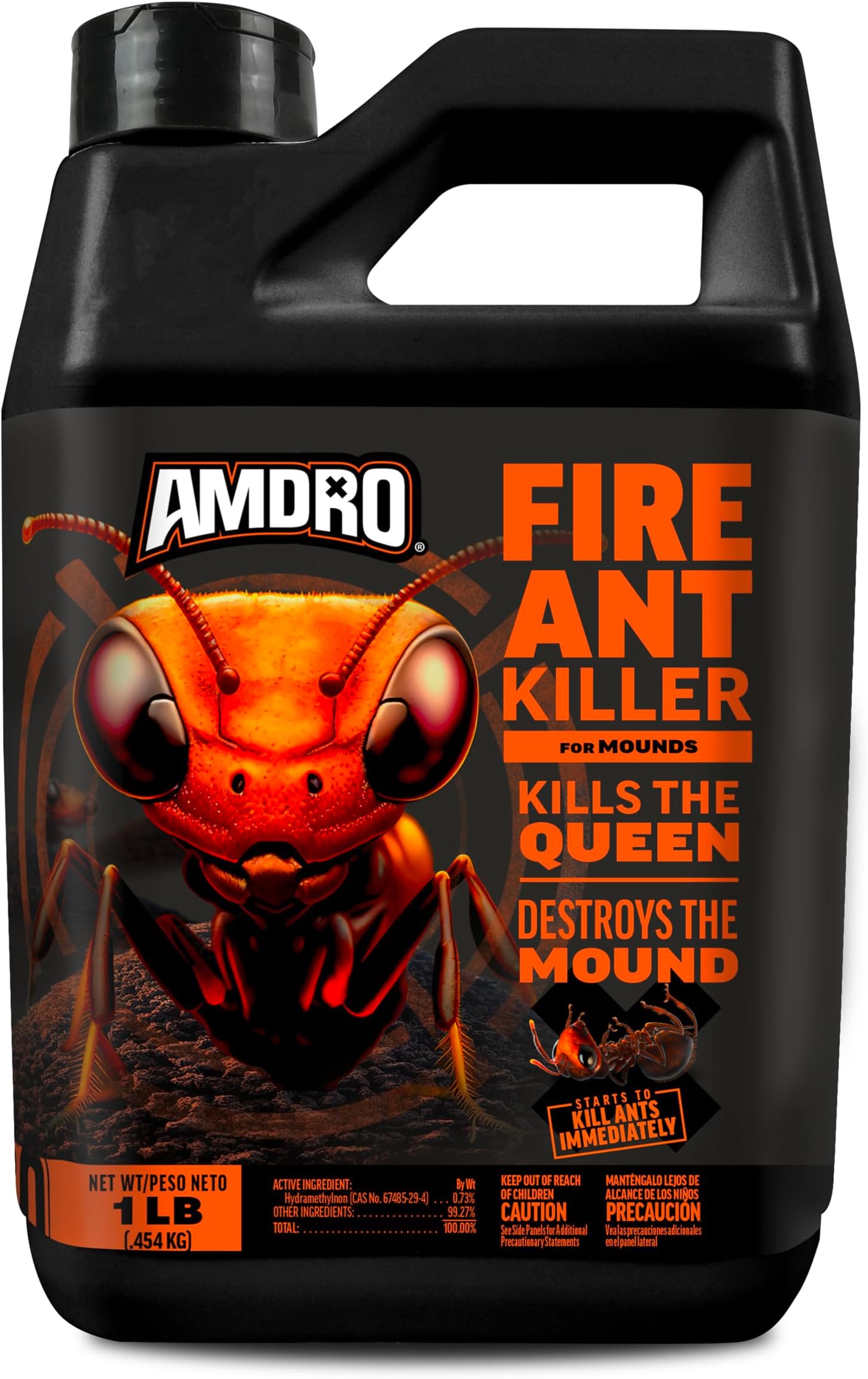
Amdro Ant Killer’s primary active ingredient is hydramethylnon. This chemical compound acts as a slow-acting stomach poison. When ants consume the bait, they carry it back to their colony, unknowingly sharing it with other ants, including the queen. This delayed action is crucial; if the poison were immediate, ants would die before reaching the nest, limiting its effectiveness in eradicating the entire colony.
Baiting Strategy: Targeting the Colony

The effectiveness of Amdro lies in its baiting strategy. The product is formulated as small granules, often containing a palatable bait attractive to ants. Worker ants, driven by their foraging instincts, are drawn to these granules. They ingest the hydramethylnon and then return to their nest. As they feed other colony members, the poison spreads, ultimately leading to the demise of the entire ant population. This “trojan horse” approach is significantly more effective than simply killing ants on contact, as it addresses the root of the infestation – the colony itself.
Pros of Using Amdro Ant Killer
Amdro Ant Killer offers several compelling benefits that contribute to its widespread popularity.
1. Effective Colony Elimination
Targeting the Source of the Problem
Perhaps the most significant advantage of Amdro is its ability to target and eliminate the entire ant colony. Unlike surface sprays that only kill ants they come into direct contact with, Amdro’s baiting mechanism ensures that the poison is distributed throughout the nest. This leads to a more permanent solution, as it incapacitates the queen and her offspring, preventing future generations from hatching and perpetuating the infestation. Studies have shown that baits, in general, are more effective for long-term ant control than contact insecticides when dealing with social insects like ants.
Case Study Example: Suburban Backyard Infestation
Consider a case in a suburban backyard where carpenter ants were causing damage to wooden deck structures. Multiple attempts with contact sprays proved futile, as new ants would constantly reappear. After strategically placing Amdro Ant Killer granules near known ant trails and entry points, the homeowner observed a significant reduction in ant activity within a week. Within three weeks, the colony showed no signs of resurgence, indicating successful elimination.
2. Ease of Application
Simple Granular Formulation
Amdro Ant Killer typically comes in a granular form, making it incredibly easy to apply. Users simply need to scatter the granules in areas where ants are seen, such as along ant trails, near mounds, or around the perimeter of their homes. There is no complex mixing or spraying required, making it a convenient option for individuals who may not be experienced with pest control products. This user-friendly nature contributes to its accessibility for a broad range of consumers.
Convenience for Busy Households
For busy families or individuals, the simple application process of Amdro is a significant plus. It requires minimal time commitment and can be deployed quickly, offering a practical solution to an urgent pest problem without requiring extensive pest control knowledge.
3. Cost-Effectiveness
Long-Term Value Compared to Repeat Treatments
While the initial cost of Amdro might be comparable to some other ant control methods, its effectiveness in eliminating colonies often translates to better long-term value. Instead of repeatedly purchasing contact sprays or hiring professional pest control services for recurring infestations, a single application of Amdro can provide a lasting solution. This can lead to significant cost savings over time.
Statistical Insight: Cost of Infestation vs. Treatment
While specific statistics for Amdro are proprietary, general pest control research indicates that neglecting ant infestations can lead to costs far exceeding initial treatment. For instance, carpenter ant infestations, if left unchecked, can cause tens of thousands of dollars in structural damage. A cost-effective bait like Amdro, by preventing such damage, offers substantial financial benefits.
4. Targeted Action
Minimizing Exposure to Non-Target Pests
Because Amdro is designed as a bait, it is primarily consumed by ants. While there’s always a potential for non-target exposure, the granular bait is less likely to drift or contaminate large areas compared to broad-spectrum sprays. This targeted approach can help minimize the unintended impact on beneficial insects and other wildlife when used according to label instructions.
Cons of Using Amdro Ant Killer

Despite its advantages, Amdro Ant Killer also presents several drawbacks that warrant careful consideration.
1. Potential Toxicity to Non-Target Organisms
Risk to Pets and Children
The active ingredient, hydramethylnon, while effective against ants, can also be harmful to pets and young children if ingested. Although the bait is formulated to be attractive to ants, curious pets or toddlers may still consume the granules. Symptoms of hydramethylnon poisoning in mammals can include lethargy, tremors, and gastrointestinal upset. Therefore, strict adherence to product instructions regarding placement and containment is crucial.
Environmental Concerns
While less persistent than some older insecticides, hydramethylnon can still have environmental impacts if not used responsibly. Runoff into water sources can harm aquatic life, and direct exposure can affect beneficial insects that are not the target of the treatment. Proper disposal of unused product and packaging is essential to mitigate these risks.
2. Slow Action and Visible Ant Activity

Patience is Required
The slow-acting nature of hydramethylnon, while beneficial for colony elimination, means that users will likely continue to see ant activity for a period after application. This can be discouraging for individuals expecting immediate results. It’s important to understand that the ants seen during the treatment period are those that have ingested the bait and are in the process of carrying it back to the colony.
Perceived Ineffectiveness
For some users, the continued presence of ants, even if dwindling, can lead to a perception that the product is not working effectively. This can prompt them to seek alternative, faster-acting solutions, potentially before the Amdro has had sufficient time to work its magic on the entire colony.
3. Limitations with Certain Ant Species

Preference for Specific Baits
While Amdro is effective against many common ant species, it may not be the ideal solution for all of them. Different ant species have varying dietary preferences. Some ants might be more attracted to sugar-based baits, while others prefer protein or grease-based options. If an ant species is not particularly attracted to the bait formulation of Amdro, its effectiveness will be significantly diminished.
Case Study: Fire Ants vs. Sugar Ants
Research and anecdotal evidence suggest Amdro is highly effective against fire ants, a common target. However, for certain types of sugar ants that are exclusively drawn to sweets, they may bypass Amdro granules in favor of more appealing sugar sources, rendering the product less effective for that specific infestation.
4. Potential for Ant Resistance
Evolutionary Adaptation
As with any pesticide, there is always a potential for insect populations to develop resistance over time. If Amdro is used repeatedly in the same area without rotation of active ingredients, there’s a theoretical possibility that some ant colonies could evolve a tolerance to hydramethylnon, making the product less effective in the future. Integrated Pest Management (IPM) strategies, which involve varying control methods, are crucial to combat this.
Recommendations for Safe and Effective Use
To maximize the benefits of Amdro Ant Killer while minimizing its risks, follow these guidelines:
- Read and Follow Label Instructions: This is paramount. The product label contains vital information regarding application rates, placement, safety precautions, and target pests.
- Strategic Placement: Apply Amdro in areas where ants are actively foraging, away from children’s play areas and pet access. Consider using bait stations for added security, especially if you have pets or young children.
- Patience is Key: Understand that Amdro is a slow-acting poison and continue to see ant activity for a period. Avoid applying other insecticides simultaneously, as this can deter ants from taking the bait.
- Observe and Reapply if Necessary: Monitor ant activity. If you continue to see significant foraging after a few weeks, a second application might be warranted, ensuring you follow label guidelines.
- Consider the Ant Species: If you suspect a specific ant species with known bait preferences that differ from Amdro’s formulation, consult with a pest control professional for tailored advice.
- Integrated Pest Management (IPM): For long-term control, consider integrating Amdro with other methods like sealing entry points, removing food sources, and maintaining cleanliness.
- Proper Disposal: Dispose of unused product and empty containers according to local regulations and label instructions to prevent environmental contamination.
A Powerful Tool with Responsibilities
Amdro Ant Killer stands as a potent and often highly effective solution for managing ant infestations, primarily due to its ability to target and eliminate entire colonies. Its ease of application and cost-effectiveness over the long term make it an attractive option for many. However, its benefits are not without their caveats. The potential toxicity to non-target organisms, the slow-acting nature that requires patience, and limitations with certain ant species are significant considerations. When used responsibly, with strict adherence to label instructions and an understanding of its mechanisms, Amdro Ant Killer can be a valuable ally in the fight against ants. However, a mindful approach, prioritizing safety for pets, children, and the environment, is essential for truly successful and sustainable pest management.