The Allure of Fierte: Exploring the Essence of Luxury Fragrance
In a world saturated with fleeting trends and disposable goods, the enduring allure of luxury fragrance stands as a testament to its ability to transcend the material. It is more than just a pleasant scent; it is an olfactory art form, a whispered secret, and a powerful expression of identity. This article delves into the profound allure of “fierté” – a French word encompassing pride, self-respect, and a quiet confidence – as it relates to the world of high-end perfumery. We will explore the intricate craftsmanship, the evocative narratives, and the psychological impact that makes luxury fragrance an indispensable element of personal expression and a symbol of sophisticated living.
The Intricacy of Olfactory Craftsmanship
At the heart of every exceptional luxury fragrance lies a symphony of meticulously sourced and masterfully blended ingredients. Perfumers, akin to virtuoso composers, orchestrate top notes, heart notes, and base notes to create a harmonious and evolving scent experience. This is not a process born of chance, but one of rigorous scientific understanding and artistic intuition.
The Building Blocks of Scent: Notes and Accords
The journey of a fragrance begins with its structure, typically divided into three distinct layers:
- Top Notes: These are the initial impression, the fleeting first kiss of the fragrance. They are typically light, volatile, and refreshing, often featuring citrus fruits (lemon, bergamot), herbs (mint, basil), or light florals (lavender). They evaporate quickly, paving the way for the heart notes.
- Heart Notes (or Middle Notes): Emerging as the top notes fade, the heart notes form the core of the fragrance. They are richer and more complex, often composed of floral bouquets (rose, jasmine, ylang-ylang), spices (cinnamon, nutmeg), or green notes. These notes dictate the main character of the perfume.
- Base Notes: These are the foundation, the lingering whisper that stays with you throughout the day and into the evening. They are the deepest and most tenacious, featuring woody notes (sandalwood, cedarwood), resins (amber, frankincense), musk, and vanilla. They provide warmth, sensuality, and longevity.
Beyond individual notes, perfumers create “accords,” which are carefully balanced combinations of notes that create a new, singular scent profile. For example, a “chypre” accord often combines citrus top notes with a floral heart and a base of oakmoss and patchouli, resulting in a sophisticated and earthy aroma.
The Rarity and Cost of Noble Ingredients

The exclusivity and significant price tag of luxury fragrances are often directly linked to the rarity and quality of their constituent ingredients. Some of the most prized natural materials are:
- Oud (Agarwood): Sourced from the resinous heartwood of aquilaria trees, oud is incredibly rare and commands exorbitant prices. Its complex, woody, leathery, and animalic scent is highly sought after.
- Iris Butter: Derived from the rhizomes of iris flowers, this ingredient is notoriously expensive due to the lengthy and labor-intensive process of extraction and maturation. It imparts a powdery, elegant, and subtly earthy aroma.
- Rose Absolute: While rose is common, the absolute, extracted through solvent extraction, captures the most potent and nuanced floral aroma. Particularly esteemed are roses from Grasse, France, which are incredibly costly.
- Saffron: This precious spice, known for its distinct aroma, is another expensive ingredient that adds warmth, smokiness, and a touch of leathery depth to perfumes.
The sustainable sourcing and ethical harvesting of these precious materials further contribute to their value and the overall cost of luxury perfumery. Brands that prioritize ethical practices and transparent supply chains often command a premium, resonating with consumers who value responsibility.
The Narrative Power of Scent: Evoking Emotions and Memories
Luxury fragrances are not merely olfactory experiences; they are vessels of stories, catalysts for emotions, and anchors for memories. Each bottle is designed to transport the wearer to a specific time, place, or feeling, weaving a personal narrative that resonates with their inner world.
The Art of Perfume Naming and Storytelling

The names of luxury perfumes are carefully chosen to evoke a sense of mystery, sophistication, or aspiration. Consider iconic examples like:
- Chanel No. 5: Simple yet profoundly elegant, its name suggests a minimalist perfection and a hint of the divine.
- Dior J’adore: Translating to “I love,” it embodies passion and adoration.
- Tom Ford Black Orchid: The name itself conjures images of exoticism, mystery, and a dark, sensual allure.
Beyond the name, marketing campaigns and brand narratives play a crucial role in building the emotional connection. Think of the cinematic advertising of luxury houses, often featuring aspirational lifestyles, timeless beauty, and profound human connections, all subtly linked to the fragrance itself.
The Proustian Power of Olfactory Memory
The human brain’s olfactory bulb is directly linked to the amygdala and hippocampus, the areas responsible for emotion and memory. This neurological connection explains why scents can so powerfully trigger vivid recollections. A whiff of a particular perfume might instantly transport someone back to a cherished childhood memory, a romantic encounter, or a significant life event. This Proustian power of scent makes luxury fragrances deeply personal and deeply meaningful.
Case Study: Chanel No. 5
Launched in 1921, Chanel No. 5 was revolutionary for its time, incorporating aldehydes to create a scent that was abstract and avant-garde, rather than simply floral. Its association with Coco Chanel’s own independent and glamorous persona has cemented its status as an icon. The fragrance continues to evoke a sense of timeless elegance and sophisticated femininity, demonstrating how a well-crafted scent, coupled with a compelling brand narrative, can create enduring allure.
Fierté Embodied: The Psychological Impact of Luxury Fragrance

The term “fierté” perfectly encapsulates the intangible yet potent psychological impact of wearing a luxury fragrance. It is the quiet confidence that blooms from knowing you are adorned with something exquisite, something that elevates your presence and speaks volumes without uttering a word.
Confidence and Self-Esteem: The Scent of Success
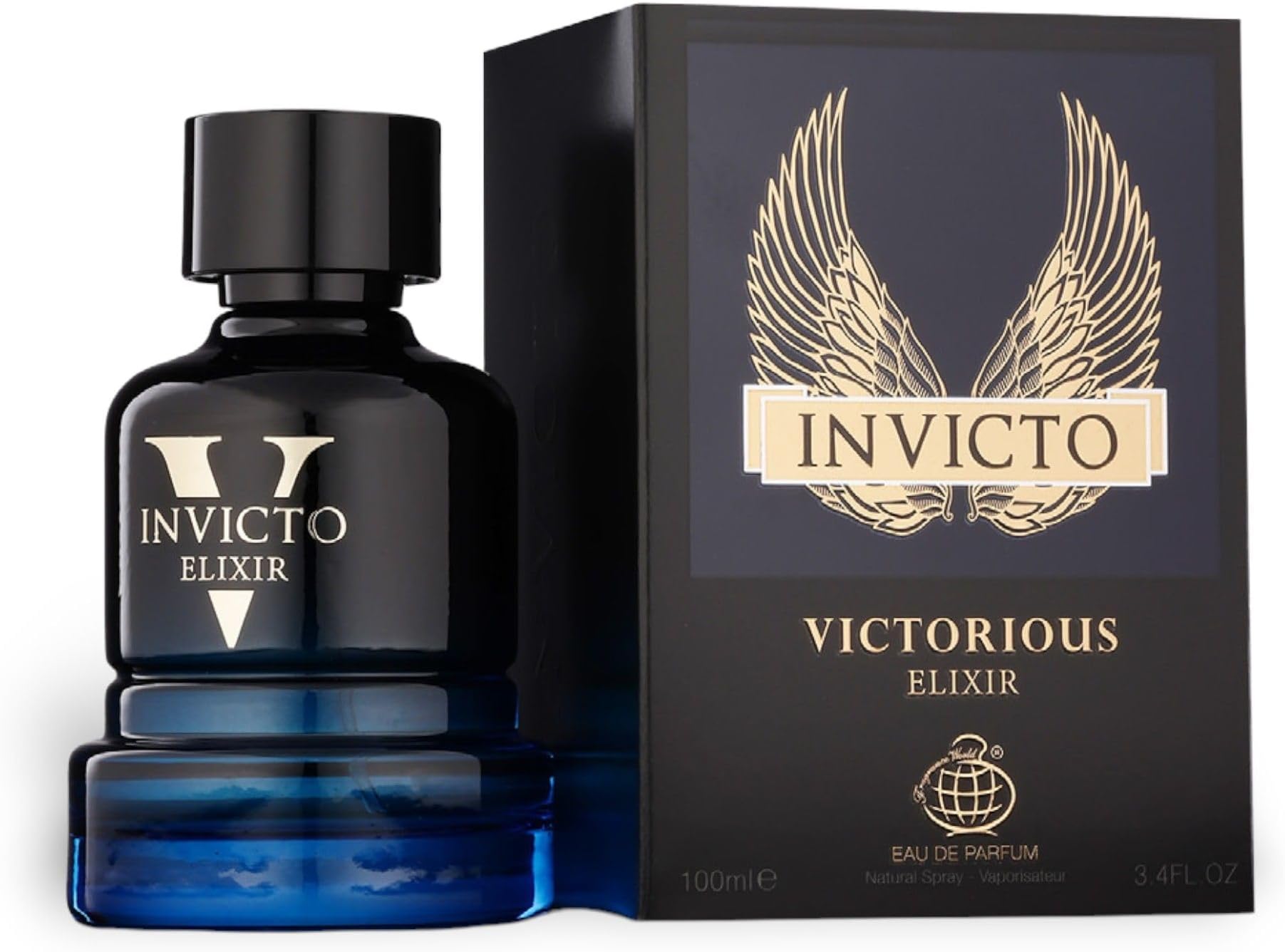
Wearing a fragrance that makes you feel good can significantly boost self-esteem. The act of applying perfume can be a ritual, a moment of self-care that prepares you for the day ahead. The scent itself becomes an extension of your personality, a silent declaration of who you are and how you wish to be perceived. Studies have shown that using fragrance can lead to increased feelings of attractiveness and social confidence. A survey by The Fragrance Foundation found that 89% of women and 72% of men say that fragrance makes them feel more confident.
Social Signaling and Impression Management
In social and professional settings, fragrance can be a powerful tool for impression management. A sophisticated scent can convey professionalism, approachability, and attention to detail. It can be the subtle finishing touch that leaves a lasting positive impression. However, it’s important to note the delicate balance; an overpowering scent can have the opposite effect. Luxury fragrances, due to their complexity and quality, are often designed to be subtle yet impactful, unfolding gradually and harmoniously.
The Elusiveness of Personal Signature
One of the most cherished aspects of luxury fragrance is the pursuit of a personal signature scent. This is a fragrance that feels uniquely yours, a scent that becomes so closely associated with you that people recognize your presence by your aroma. This pursuit can be a delightful journey of exploration, discovering which notes and accords resonate most deeply with your individual essence.
Example: The Rise of Niche Perfumery
The burgeoning popularity of niche perfumery, which focuses on unique and often avant-garde scents, reflects a growing desire for olfactory individuality. Brands like Le Labo, Byredo, and Serge Lutens offer fragrances that deviate from mainstream trends, allowing consumers to express their distinct personalities and forge their own olfactory signatures.
The Economics of Olfactory Desire: Luxury as Investment

While a luxury fragrance is not a tangible asset in the traditional sense, its value extends beyond its immediate cost. It represents an investment in personal well-being, an enhancement of one’s identity, and an appreciation for artisanal craftsmanship.
Perceived Value and Brand Equity
The perceived value of a luxury fragrance is built through decades of brand heritage, aspirational marketing, and consistent quality. Brands like Guerlain, Creed, and Hermès have cultivated an aura of exclusivity and timelessness, making their creations highly desirable. This brand equity allows them to command premium prices, as consumers are not just buying a scent but also a piece of history and a symbol of prestige.
The Long-Term Enjoyment of Quality
Unlike many consumer goods, a bottle of luxury perfume, when stored properly, can last for a considerable time, offering prolonged enjoyment. The evolving nature of the scent on the skin means that each application can be a slightly different experience, adding to its enduring appeal. The sheer quality of the ingredients ensures a sophisticated and well-rounded olfactory journey, making it a worthwhile indulgence.
The Enduring Legacy of Fierté in Scent

The allure of luxury fragrance, the embodiment of “fierté,” is a complex and captivating phenomenon. It is rooted in the meticulous artistry of perfumery, the evocative power of narrative, and the profound psychological impact of scent. From the rarest natural ingredients to the most sophisticated accords, every element is carefully orchestrated to create an olfactory masterpiece that transcends the ordinary. Luxury fragrances offer not just a pleasant aroma, but an avenue for self-expression, a catalyst for memories, and a silent declaration of confidence and sophistication. In a world that often prioritizes the ephemeral, the enduring appeal of a well-crafted perfume stands as a testament to its ability to enrich our lives, enhance our identities, and imbue our everyday experiences with a touch of enduring “fierté.”