Incorporating Japanese Design Elements into Your Living Space
Japanese design is renowned for its simplicity, functionality, and harmony with nature. These principles have made Japanese aesthetics not only a source of inspiration but also a practical approach to creating a serene living space. In this article, we will explore how to incorporate Japanese design elements into your home, providing insights, examples, and practical tips to help you achieve a tranquil and stylish environment.
The Philosophy of Japanese Design
Before diving into specific design elements, it’s essential to understand the philosophy behind Japanese design. It is deeply rooted in cultural concepts such as:
- Wabi-Sabi: This principle appreciates the beauty in imperfection and transience. It encourages the use of natural materials and embraces the idea of aging.
- Shibui: Referring to a subdued beauty, shibui emphasizes simplicity and subtlety. It often includes muted colors and understated elegance.
- Ma: This concept refers to the space between objects. In Japanese design, negative space is as important as the items themselves, promoting a sense of calm and balance.
Understanding these philosophies can guide you in curating a space that reflects Japanese aesthetics while catering to your personal style.
Key Elements of Japanese Design

To create a Japanese-inspired living space, consider incorporating the following elements:
1. Natural Materials

Japanese design emphasizes the use of natural materials such as wood, bamboo, stone, and paper. These materials not only promote a connection to nature but also add warmth and texture to your space. Here are some ideas:
- Wood Flooring: Use hardwood or bamboo flooring to create a warm and inviting foundation.
- Paper Screens: Incorporate shoji screens made of rice paper and wooden frames to create flexible room dividers that allow light to filter through.
- Stone Accents: Use natural stone for feature walls, countertops, or decorative elements to bring a sense of nature indoors.
2. Minimalism
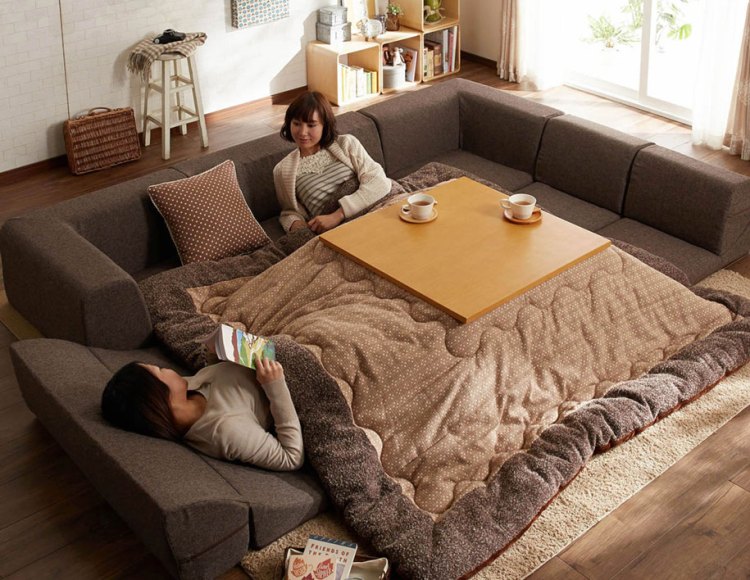
Emphasizing simplicity is at the heart of Japanese design. A clutter-free environment promotes tranquility and mindfulness. Here are some tips to achieve minimalism:
- Purge Unnecessary Items: Regularly assess your belongings and keep only those that serve a purpose or bring you joy.
- Functional Furniture: Choose multi-functional furniture that can serve various purposes, such as a coffee table that doubles as storage.
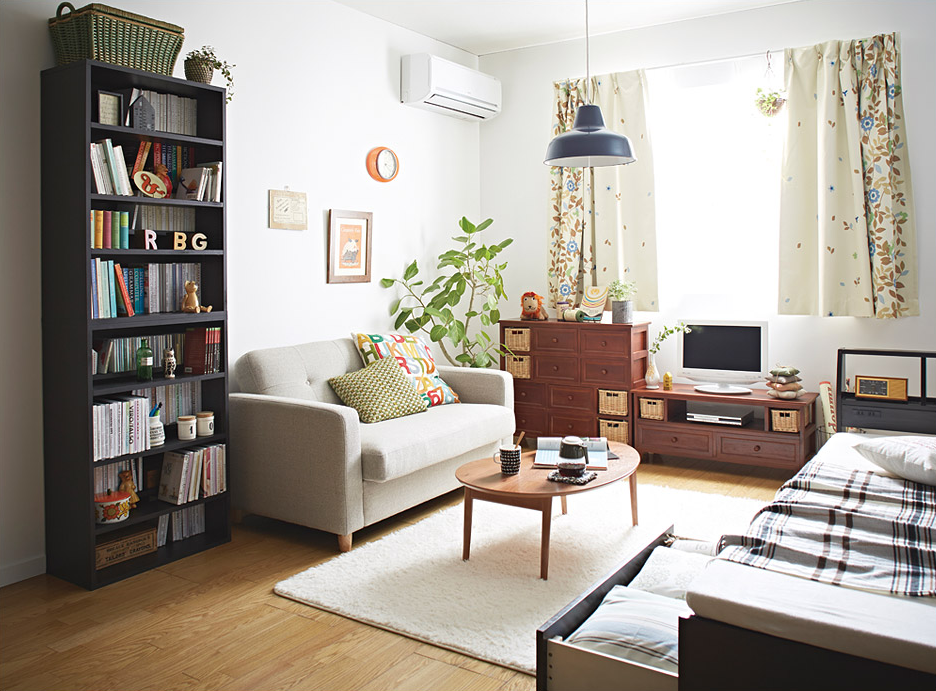
- Neutral Color Palette: Opt for a subtle color scheme with soft earth tones, whites, and natural hues to create a calming atmosphere.
3. Nature Integration
Japanese design seeks to harmonize interior spaces with nature. Here are some ways to bring the outdoors in:
- Indoor Plants: Incorporate bonsai trees, ferns, or other low-maintenance plants that thrive indoors.
- Large Windows: Design spaces with expansive windows to maximize natural light and provide views of the surrounding landscape.
- Zen Gardens: Create a small indoor zen garden with sand, stones, and minimalistic plant life to foster relaxation and mindfulness.
Case Studies: Successful Japanese Design Implementations

To understand the effectiveness of incorporating Japanese design elements, let’s look at a couple of successful case studies:
Case Study 1: The Muji Store Concept
Muji is a Japanese retail company known for its minimalist design philosophy. Their stores reflect the principles of simplicity and functionality, showcasing products that are aesthetically pleasing yet practical. The Muji store design includes:
- Open layouts that allow for easy navigation.
- Neutral color palettes that promote a calming shopping experience.
- Use of natural materials in fixtures and displays.
This approach has garnered a loyal customer base and demonstrates how effective Japanese design can be in a commercial setting.
Case Study 2: Japanese Tea Houses
Traditional Japanese tea houses, or chashitsu, embody the essence of Japanese design. These structures are typically small, featuring:
- Natural materials like tatami mats and wooden beams.
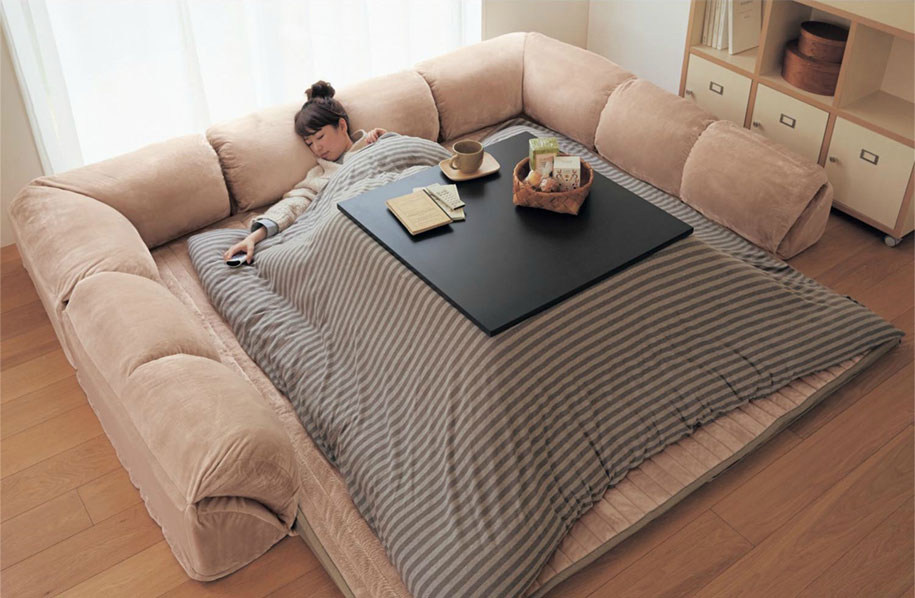
- Simple, functional furniture that encourages seating on the floor.
- A strong connection to nature through gardens and windows that frame outdoor views.
Many contemporary homes have adopted these elements, creating spaces that promote mindfulness and social interaction.
Practical Tips for Incorporating Japanese Design
Now that we’ve discussed key elements and case studies, here are some practical tips to help you incorporate Japanese design into your living space:
- Start Small: Begin by adding a few Japanese elements, such as a bonsai plant or a shoji screen, before making larger changes.
- Visit Japanese Gardens: Spend time in local Japanese gardens or tea houses to draw inspiration from their layouts and aesthetics.
- Research Local Artisans: Seek out local artisans who specialize in Japanese-inspired furniture or decor to find unique pieces that resonate with you.
- Personalize Your Space: While adhering to Japanese design principles, infuse your personality into the space by incorporating artwork or decor that reflects your interests.
Incorporating Japanese design elements into your living space can create a serene, functional, and aesthetically pleasing environment. By understanding the philosophy of Japanese design, utilizing natural materials, embracing minimalism, and integrating nature, you can transform your home into a peaceful retreat. Whether you choose to make minor adjustments or undertake a complete redesign, the principles of Japanese design offer timeless wisdom that can enhance your living experience. Embrace simplicity, celebrate nature, and cultivate tranquility in your home to truly appreciate the beauty of Japanese aesthetics.