Eco-Friendly Alternatives to Plastic for Covering Garden Beds
As concerns over plastic pollution continue to rise, many gardeners are seeking sustainable alternatives for covering their garden beds. Plastic mulch and other similar materials have long been used for their convenience and effectiveness, but their environmental impact cannot be ignored. Fortunately, there are numerous eco-friendly options available that can provide the same benefits without contributing to the growing plastic problem. This article explores various sustainable alternatives, their benefits, and how to effectively implement them in your gardening practices.
The Need for Eco-Friendly Solutions

Plastic waste is a significant environmental issue, with millions of tons of plastic ending up in landfills and oceans each year. In the gardening world, plastic covers, such as mulch films and row covers, have been popular for their ability to suppress weeds, retain moisture, and regulate soil temperature. However, these benefits come at a cost. Some startling statistics highlight the urgency of finding alternatives:
- According to the United Nations, around 300 million tons of plastic are produced globally each year.
- Only about 9% of plastic waste is recycled, with the rest either incinerated or sent to landfills.
- Plastic pollution poses a threat to wildlife, ecosystems, and human health.
Given these facts, transitioning to eco-friendly garden bed coverings is not just beneficial for the environment; it’s essential for sustainable gardening practices.
Top Eco-Friendly Alternatives to Plastic
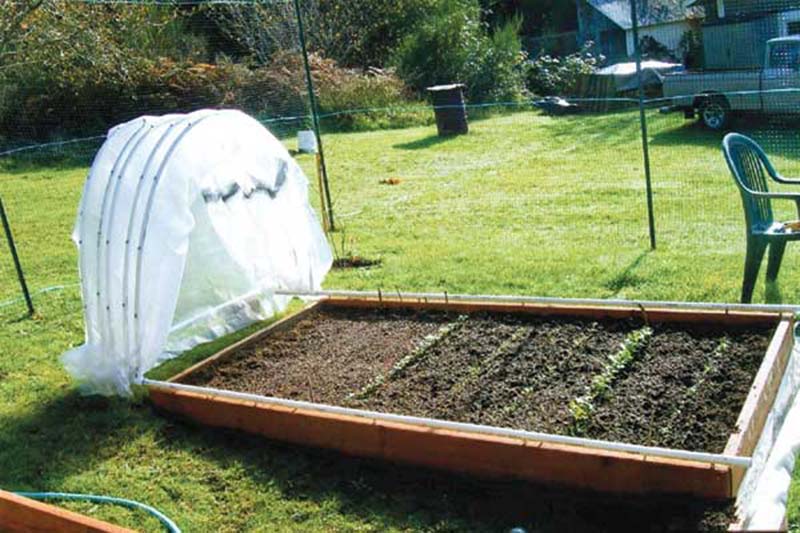
Several eco-friendly materials can effectively replace plastic in garden bed applications. Here’s a closer look at the best options available:
1. Organic Mulch

Organic mulch is one of the most popular alternatives to plastic mulch. It consists of natural materials that decompose over time, enriching the soil.
- Wood Chips: Shredded bark or wood chips are excellent for suppressing weeds and retaining moisture. They also improve soil structure as they decompose.
- Straw: Straw mulch is lightweight and easy to apply. It provides excellent insulation and helps retain soil moisture.
- Grass Clippings: Fresh or dried grass clippings can be spread over garden beds to suppress weeds and add nutrients to the soil.
Organic mulch not only helps prevent weeds but also encourages beneficial microorganisms in the soil, promoting healthy plant growth.
2. Biodegradable Mulch Films
Biodegradable mulch films are designed to perform similarly to plastic while breaking down naturally in the soil. These films can be made from various plant-based materials.
- Corn Starch-Based Films: These films decompose into natural elements, leaving no harmful residues in the soil.
- Paper Mulch: Made from recycled paper, this option is effective for weed suppression and can be tilled back into the soil at the end of the growing season.
Research shows that biodegradable mulch films can improve soil health without the long-term environmental impacts of traditional plastic.
3. Cover Crops
Cover crops are plants grown primarily to improve soil health and manage weeds. They can be an excellent alternative to plastic coverings.
- Legumes: Planting legumes like clover or vetch can fix nitrogen in the soil, improving fertility for subsequent crops.
- Grasses: Grasses such as rye or oats can suppress weeds effectively while preventing soil erosion.
Cover crops not only enhance soil quality but also provide habitats for beneficial insects, promoting biodiversity in the garden.
4. Cardboard and Newspaper
Using cardboard or newspaper as a garden bed cover is a simple and effective method for weed suppression. This method is particularly appealing for gardeners looking for a low-cost solution.
- Cardboard: Layers of cardboard can be placed directly on the soil to block sunlight and suppress weeds. It breaks down over time, enriching the soil.
- Newspaper: A thick layer of newspaper can be used similarly. It’s essential to use non-glossy, black-and-white pages to avoid chemical leaching.
Both cardboard and newspaper are readily available and can be an excellent way to recycle materials while improving your garden.
5. Natural Fiber Fabrics
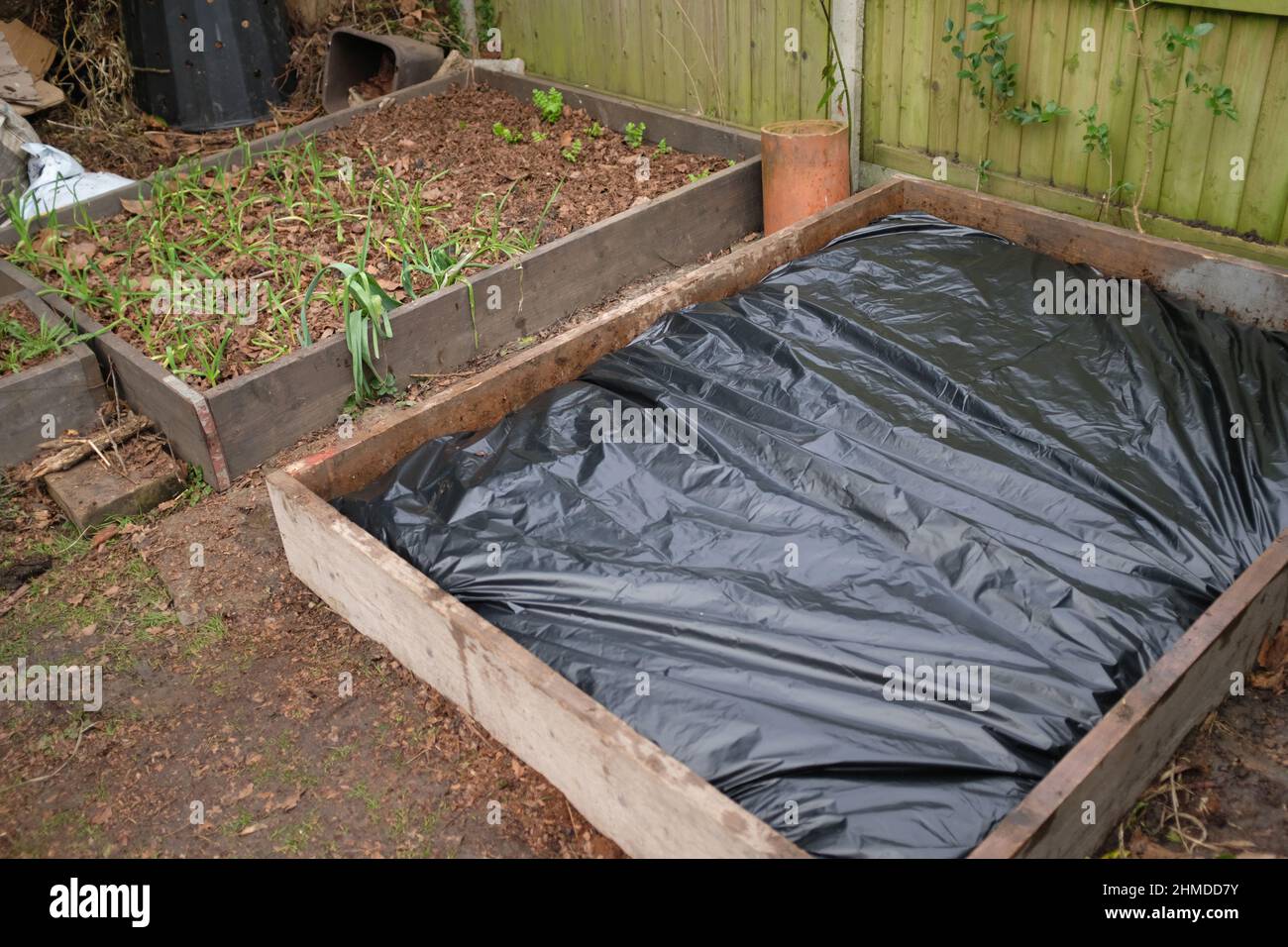
Natural fiber fabrics, such as jute or burlap, can serve as effective weed barriers in garden beds. These materials are biodegradable and allow water and air to penetrate the soil.
- Jute: Jute is a strong, biodegradable fabric that can be used to suppress weeds while allowing moisture and nutrients to reach the soil.
- Burlap: Similar to jute, burlap is durable and can be used for various gardening applications, including as a temporary cover for seedlings.
Using these fabrics can help maintain soil health while providing a practical solution for weed control.
Case Studies: Successful Implementations

Several gardening projects worldwide have successfully implemented eco-friendly alternatives to plastic, showcasing their effectiveness.
1. Urban Community Gardens
In urban areas, community gardens have adopted organic mulching techniques. For example, the “GrowNYC” initiative in New York City has encouraged local gardeners to use wood chips and straw to cover their plots. This not only improves soil health but also fosters community engagement and education about sustainable practices.
2. Organic Farms
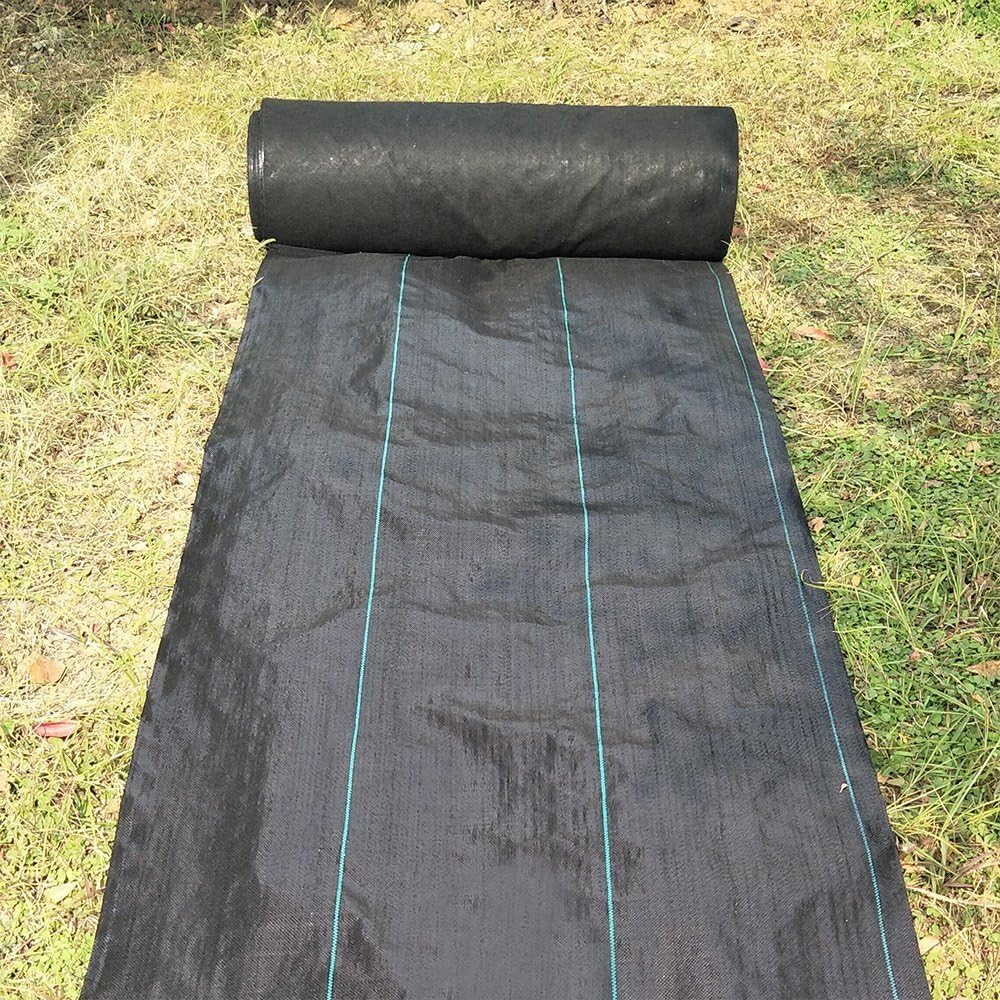
Many organic farms, such as those in California’s Central Valley, have switched to biodegradable mulch films. A study conducted by the University of California found that these films significantly reduced weed growth while enhancing soil moisture retention, leading to higher crop yields without the environmental burden of plastic.
Conclusion: A Sustainable Future for Gardening
Transitioning away from plastic in gardening is not only a responsible choice but also a necessary step toward a sustainable future. With numerous eco-friendly alternatives available, gardeners can maintain healthy, productive garden beds while minimizing their environmental impact.
From organic mulches to biodegradable films and natural fabrics, these solutions provide effective weed control, moisture retention, and soil enrichment without the harmful effects associated with plastic. By choosing these alternatives, gardeners can contribute to a more sustainable ecosystem and set an example for future generations.
As we continue to face the challenges of plastic pollution, it is essential to embrace these innovative solutions in our gardening practices. Together, we can create a healthier planet—one garden bed at a time.