Symbolism of Angels in Nativity Scenes: More Than Just Decor
Nativity scenes are a cherished tradition during the Christmas season, often displayed in homes, churches, and public spaces around the world. While the figures of Mary, Joseph, and the infant Jesus are central to these displays, the presence of angels in nativity scenes holds significant symbolic meaning that extends beyond mere decoration. This article will explore the various roles and interpretations of angels within nativity scenes, their historical context, and their impact on contemporary Christmas practices.
The Role of Angels in the Nativity Story

Angels are integral to the Christian narrative of Christ’s birth. Their appearances in the biblical account serve as divine messengers, conveying important news and spiritual significance. Here are some key instances of angelic involvement in the nativity story:
- The Annunciation: The angel Gabriel appears to Mary, announcing that she will conceive the Son of God (Luke 1:26-38).
- The Dream of Joseph: An angel reassures Joseph in a dream that he should take Mary as his wife, emphasizing the divine nature of her pregnancy (Matthew 1:20-21).
- The Shepherds’ Revelation: Angels announce the birth of Jesus to shepherds in the fields, proclaiming peace and goodwill (Luke 2:8-14).
These encounters highlight angels as bearers of good news and guides in the unfolding divine plan, setting the tone for the nativity scenes that depict the miracle of Christmas.
The Symbolism of Angels in Nativity Scenes
In nativity displays, angels symbolize several key themes that resonate with the Christmas message. Here are some primary symbolic meanings associated with angels:
- Divine Presence: Angels symbolize the presence of the divine, acting as intermediaries between God and humanity.
- Hope and Joy: The angels’ announcement of Jesus’ birth represents hope and joy, reflecting the promise of salvation and peace.
- Protection and Guidance: Angels are often seen as protectors, guiding and watching over the Holy Family and believers.
- Worship and Praise: The angels’ songs and proclamations in nativity scenes highlight the importance of worship and praise in the Christian faith.
Historical Context and Evolution of Angels in Nativity Scenes
The incorporation of angels in nativity scenes has evolved over centuries, influenced by cultural, artistic, and theological developments. Here’s a brief overview of this evolution:
Medieval Origins
The tradition of depicting nativity scenes dates back to the 13th century when St. Francis of Assisi created the first live nativity in Greccio, Italy. During this time, angels were often depicted as ethereal beings, emphasizing their heavenly origins. As the popularity of nativity scenes grew, artisans began to incorporate angels into their designs, leading to a rich tapestry of artistic expression.
Renaissance Flourish

During the Renaissance, artists like Michelangelo and Caravaggio created stunning representations of angels, emphasizing their beauty and celestial nature. This period marked a significant transition in how angels were portrayed, with an increased focus on human emotions and spiritual depth.
Modern Interpretation
In contemporary nativity scenes, angels are often depicted in various styles, from traditional to whimsical. The materials used also vary, including wood, ceramic, and fabric, allowing for personal expression in how these figures are represented.
Case Studies: Cultural Variations in Angel Representations

Different cultures around the world have their unique interpretations of angels in nativity scenes. Here are a couple of notable examples:
Latin American Nativity Scenes (Nacimiento)
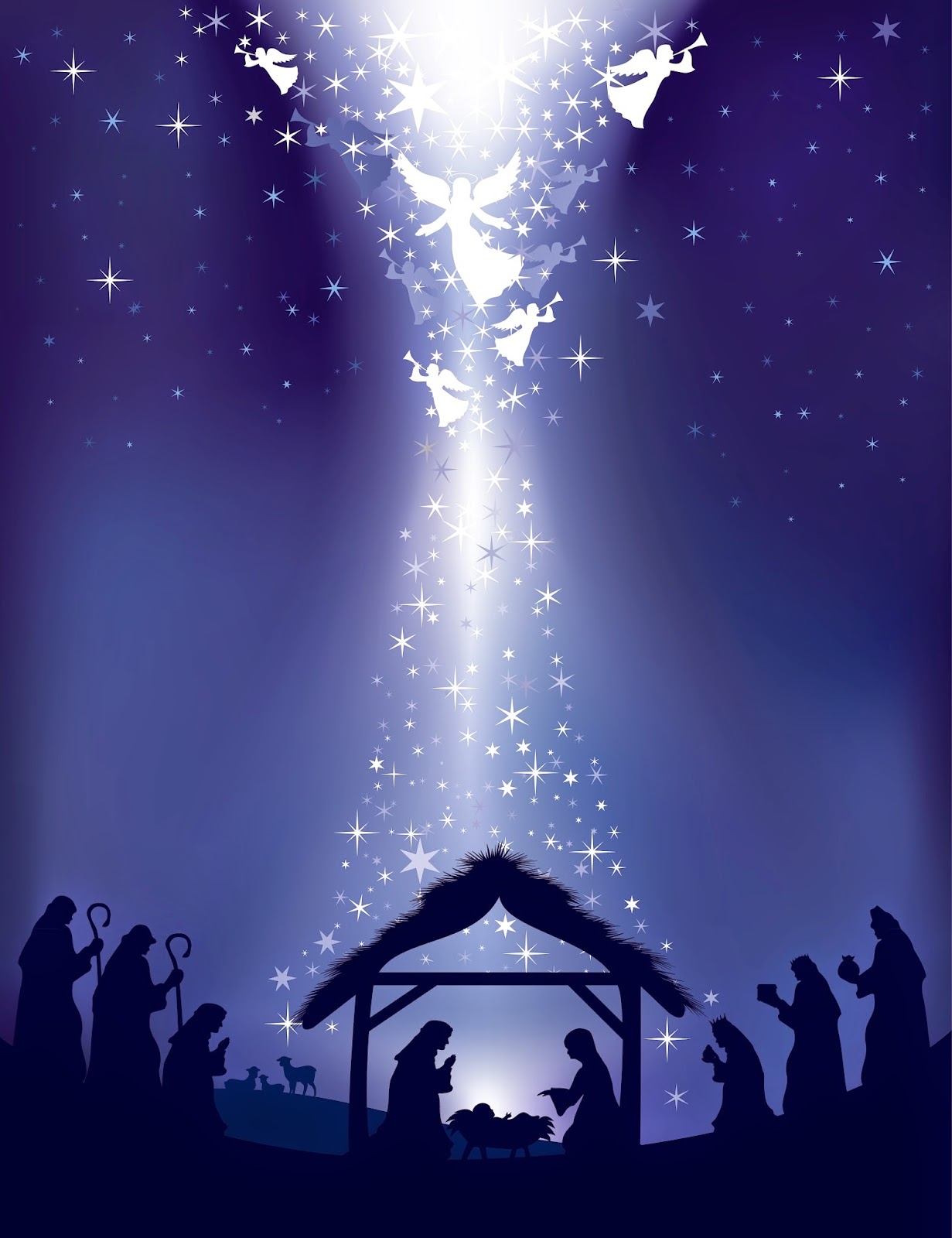
In many Latin American countries, nativity scenes, known as “nacimientos,” are elaborate displays that often include a variety of figures, including angels. These angels are frequently adorned with vibrant colors and intricate designs, reflecting the region’s rich artistic heritage. Furthermore, the angels are sometimes depicted as local figures, connecting the divine narrative with the cultural identity of the community.
Eastern Orthodox Nativity Scenes

In Eastern Orthodox traditions, angels are often depicted with a more austere and majestic appearance. They are frequently shown in a more hierarchical manner, representing their roles as divine servants rather than just joyful messengers. This reflects the Orthodox emphasis on the majesty and mystery of the divine.
The Impact of Angels in Contemporary Christmas Practices
Angels continue to play a vital role in contemporary Christmas celebrations, influencing various aspects of the holiday season:
- Decorations: Many households incorporate angel ornaments, tree toppers, and nativity sets, emphasizing their symbolic role in the celebration of Christmas.
- Music and Carols: Angelic themes are prevalent in Christmas carols, such as “Hark! The Herald Angels Sing,” reinforcing the message of hope and joy associated with the birth of Christ.
- Community Events: Church services and community events often feature nativity plays where angels are central characters, educating participants about their significance in the nativity story.
- Personal Reflection: The presence of angels in nativity scenes encourages individuals to reflect on themes of peace, protection, and divine guidance during the holiday season.
Conclusion: The Lasting Legacy of Angels in Nativity Scenes

Angels in nativity scenes symbolize much more than decorative elements; they embody the core themes of hope, joy, and divine presence that resonate deeply within the Christian faith. Their historical evolution, cultural variations, and continued significance in contemporary practices highlight their enduring role in Christmas traditions. As we reflect on the nativity story, the presence of angels serves as a reminder of the spiritual connection we share, the protection we seek, and the joy that comes from the miraculous gift of Christ’s birth.
Ultimately, as families gather around their nativity scenes each holiday season, the angels stand as a powerful testament to faith, encouraging worship and fostering a sense of community. They remind us that the message of Christmas transcends time and culture, inviting all into the joy of the season.